
Top Waterproofing Products for Reliable Home Protection
Discover the most effective waterproofing solutions designed to keep your property dry and secure in all conditions.
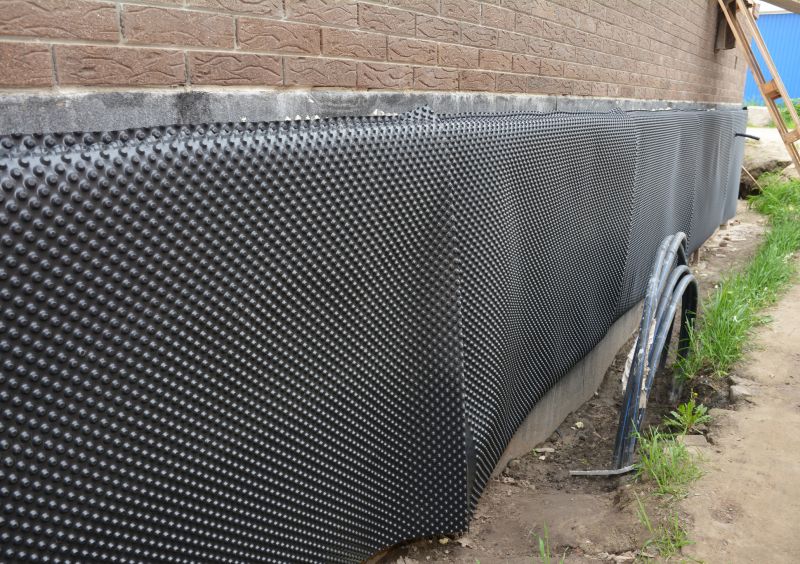 Waterproofing products play a crucial role in protecting structures, foundations, and surfaces from water intrusion and damage. Whether you're working on a basement, roof, or outdoor surface, selecting the appropriate waterproofing solution is essential for durability and longevity. These products come in various forms, including liquid coatings, sealants, membranes, and tapes, each designed to address specific needs and applications. Proper application and choice of the right product can help prevent issues such as leaks, mold growth, and structural deterioration.
Top Overall Option
High-Performance Liquid Waterproof Coating
A versatile liquid coating designed to adhere seamlessly to various surfaces, providing a durable and flexible waterproof barrier. Its ease of application makes it suitable for both DIY projects and professional use, offering reliable protection against water infiltration when applied correctly.
Types of Products For Waterproofings
Liquid Waterproof Coatings
Flexible, paint-like coatings that form a seamless waterproof layer on surfaces such as roofs, basements, and decks.
Waterproofing Membranes
Sheet or roll materials that provide a physical barrier against water, often used on foundations and roofs.
Sealants and Caulks
Flexible sealants used to fill gaps, joints, and cracks to prevent water seepage.
Bituminous Coatings
Tar-like coatings that offer high resistance to water and are commonly used on foundations and underground structures.
Polyurethane Coatings
Durable, elastic coatings suitable for roofs and decks that require flexibility and waterproofing.
Cementitious Waterproofing
Waterproofing mortars and coatings that are easy to apply on concrete and masonry surfaces.
Waterproof Tapes
Self-adhesive tapes used to reinforce joints, seams, and cracks on various surfaces.
Crystalline Waterproofing
Chemical treatments that penetrate concrete to form waterproof crystals within the material.
Rubberized Coatings
Flexible, rubber-like coatings ideal for roofing and sealing applications requiring elasticity.
Spray-On Waterproofing
Sprayable products that create a waterproof barrier on large or irregular surfaces.
Acrylic Waterproof Coatings
Water-based coatings suitable for various surfaces, offering ease of application and flexibility.
Bitumen Sheets
Pre-formed sheets used primarily on flat roofs and underground structures for waterproofing.
Fluid-Applied Membranes
Liquid membranes that cure to form a seamless, waterproof layer, suitable for complex surfaces.
Hydrophobic Sealants
Sealants designed to repel water and prevent moisture ingress in joints and cracks.
Popular Choices
Widely used for various waterproofing projects due to their ease of application and versatility.
Commonly selected for foundational and roofing applications for their durability.
Popular for sealing joints and cracks in both indoor and outdoor settings.
Often chosen for underground and foundation waterproofing due to their strong water resistance.
Favored for their flexibility and durability on roofs and decks.
Popular for concrete surfaces, offering straightforward application and effective sealing.
Ideal for quick repairs and reinforcing seams, with high adhesion properties.
Chosen for its ability to penetrate and waterproof concrete from within.
Used for flexible waterproofing needs, especially on roofs and exposed surfaces.
Popular for large-scale or irregular surfaces requiring seamless coverage.
Common for their user-friendly application and suitability for various substrates.
When considering waterproofing options, it is important to evaluate the surface type, exposure conditions, and the level of protection required. For example, basement walls may need high-adhesion sealants or membranes, while roofing might benefit from flexible coatings that accommodate movement. Additionally, compatibility with existing materials, ease of application, and drying time are factors to keep in mind. Regular maintenance and reapplication can extend the effectiveness of waterproofing measures, ensuring ongoing protection against water-related problems.
Choosing the right waterproofing product can also depend on the specific environment and climate. In regions with heavy rainfall or snow, more robust solutions may be necessary. Proper surface preparation, including cleaning and priming, enhances adhesion and performance. Consulting with professionals or thoroughly researching product specifications can help in making informed decisions. Ultimately, investing in quality waterproofing products tailored to your project needs can contribute to the structural integrity and safety of your property over time.
Key Buying Considerations
- Determine the specific surface type and choose a compatible product.
- Assess the level of water exposure and select a product with appropriate resistance.
- Consider the flexibility and movement accommodation of the waterproofing material.
- Evaluate ease of application, including whether it can be applied DIY or requires professional help.
- Check drying or curing times to plan project timelines accordingly.
- Review the longevity and maintenance requirements of the product.
- Ensure compatibility with existing surfaces and materials.
- Look for products that offer good adhesion and coverage per application.
- Consider environmental conditions such as temperature and humidity during application.
- Verify if the product is suitable for interior, exterior, or underground use.
- Assess the product’s resistance to UV rays if exposed to sunlight.
- Review safety data, including VOC levels and handling instructions.
- Estimate the total area needing waterproofing to determine quantity requirements.
- Consider budget constraints while balancing quality and durability.
- Research user reviews and professional recommendations for insights.